Horse’s Neck
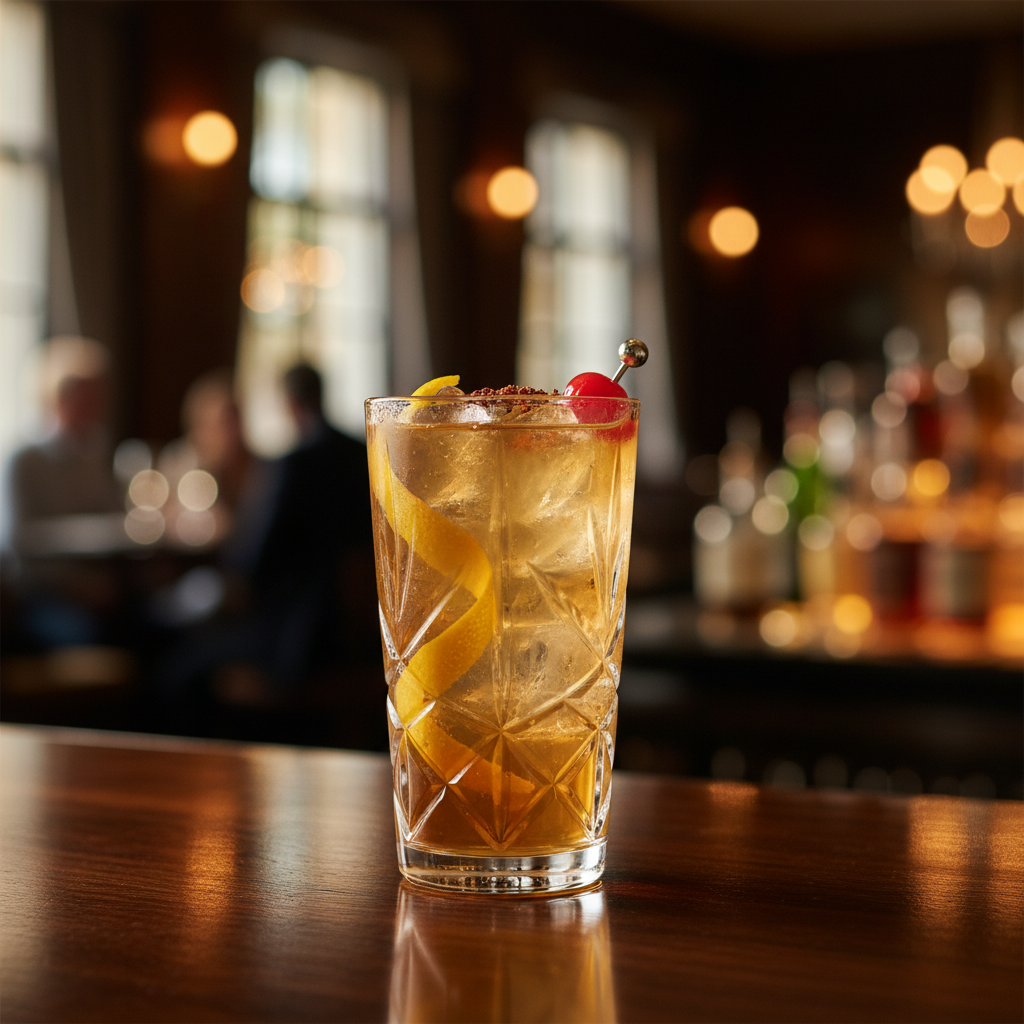
A warming, effervescent mix of Cognac and ginger ale, crowned with an iconic spiral lemon peel.
Ingredients
- 40 ml Cognac
- 120 ml ginger ale
- 1 dash Angostura Bitters (optional)
- Ice cubes
Garnish: Long spiral rind of one lemon, draped inside the glass
The Horse’s Neck is a classic highball that proves how little you need to create a memorable drink: Cognac, ginger ale, bitters if you like, and a show-stopping lemon spiral. Effervescent, gently spicy and citrusy, it is as visually striking as it is easy to drink.
Originally a non-alcoholic refresher that later gained a spirited upgrade, the Horse’s Neck has become a staple for those who enjoy long, fizzy drinks with depth and character. Served in a tall highball glass, it offers a balance of warming Cognac, refreshing bubbles and fragrant citrus oils from that famous peel.
This recipe follows the official IBA (International Bartenders Association) specification, making it a reliable choice for both home enthusiasts and professionals who want a timeless, easy-to-build cocktail.
Instructions
Official Recipe:
- Chill the Highball Glass by filling it with ice cubes.
- Cut a long, continuous spiral of lemon peel and drape it inside the glass, letting one end hang over the rim.
- Build the drink by pouring 40 ml Cognac directly into the glass over the ice.
- Top with 120 ml chilled ginger ale, pouring gently to preserve the carbonation.
- Add 1 dash of Angostura Bitters (optional) on top for extra spice and complexity.
- Stir gently with a bar spoon to combine without losing too much fizz.
- Serve immediately, adjusting the position of the lemon spiral so it is visually striking.
Note: The Angostura Bitters are optional but highly recommended if you like a slightly more aromatic and complex profile.
Tips
- Use well-chilled ingredients: Keep both the Cognac and ginger ale in the fridge. The colder they are, the longer your drink will stay crisp and bubbly.
- Choose a quality Cognac: A VS or VSOP Cognac with some fruit and spice will shine here. Avoid overly woody spirits that can dominate the drink.
- Perfect the lemon spiral: Use a channel knife or a sharp paring knife to cut a long, even strip of peel, avoiding too much white pith to prevent bitterness.
- Build gently over ice: Pour the ginger ale slowly along the side of the glass to preserve carbonation and keep the drink lively.
- Balance with bitters: Start with a single dash of Angostura; taste, then add another dash only if you want more spice and dryness.
- Mind the ice quality: Use large, clear ice cubes if possible. They melt more slowly, preventing dilution and keeping flavors focused.
- Presentation matters: Make sure the lemon spiral hugs the inside of the glass from bottom to top; it is the visual signature of a proper Horse’s Neck.
Classic Variations
- Bourbon Horse’s Neck: Substitute Cognac with bourbon for a sweeter, vanilla-forward profile while keeping the same build.
- Brandy Horse’s Neck: Use generic brandy instead of Cognac for a more economical but still flavorful version.
- Alcohol-Free Horse’s Neck: Omit the Cognac and bitters; use extra ginger ale and a generous lemon spiral for a refreshing soft drink in the style of the original.
- Horse’s Neck with Soda: Split the ginger ale with soda water for a drier, lighter take with less sweetness.
Flavor Profile
On the first sip, you get lively carbonation and bright lemon aroma, with the ginger ale’s gentle sweetness and spice leading the way. The mid-palate reveals the warmth and depth of the Cognac: notes of dried fruit, vanilla and subtle oak integrate with the ginger’s bite. On the finish, Angostura Bitters (if used) add a dry, herbal and clove-like complexity, while citrus oils from the lemon peel leave a clean, zesty aftertaste.
Overall, the Horse’s Neck is light to medium in body, moderately sweet, and refreshingly spicy with a distinct citrus top note.
History
The Horse’s Neck dates back to the late 19th century, when it first appeared as a non-alcoholic drink of ginger ale served with a long, curling lemon peel. The name is said to come from the way the peel rises out of the glass, resembling the arched neck of a horse.
By the early 20th century, bartenders began fortifying the drink with spirits, most commonly brandy or whiskey, transforming it into the spirited highball we know today. Over time, Cognac became a popular base, especially in European recipes, giving the cocktail a richer, more luxurious character.
Today, the Horse’s Neck is recognized as an official IBA cocktail, ensuring a standardized recipe in bars worldwide. Though simple in composition, it remains a favorite for its elegance, history and the unmistakable theatrical touch of that long lemon spiral.
Cheers!