Champagne Cocktail
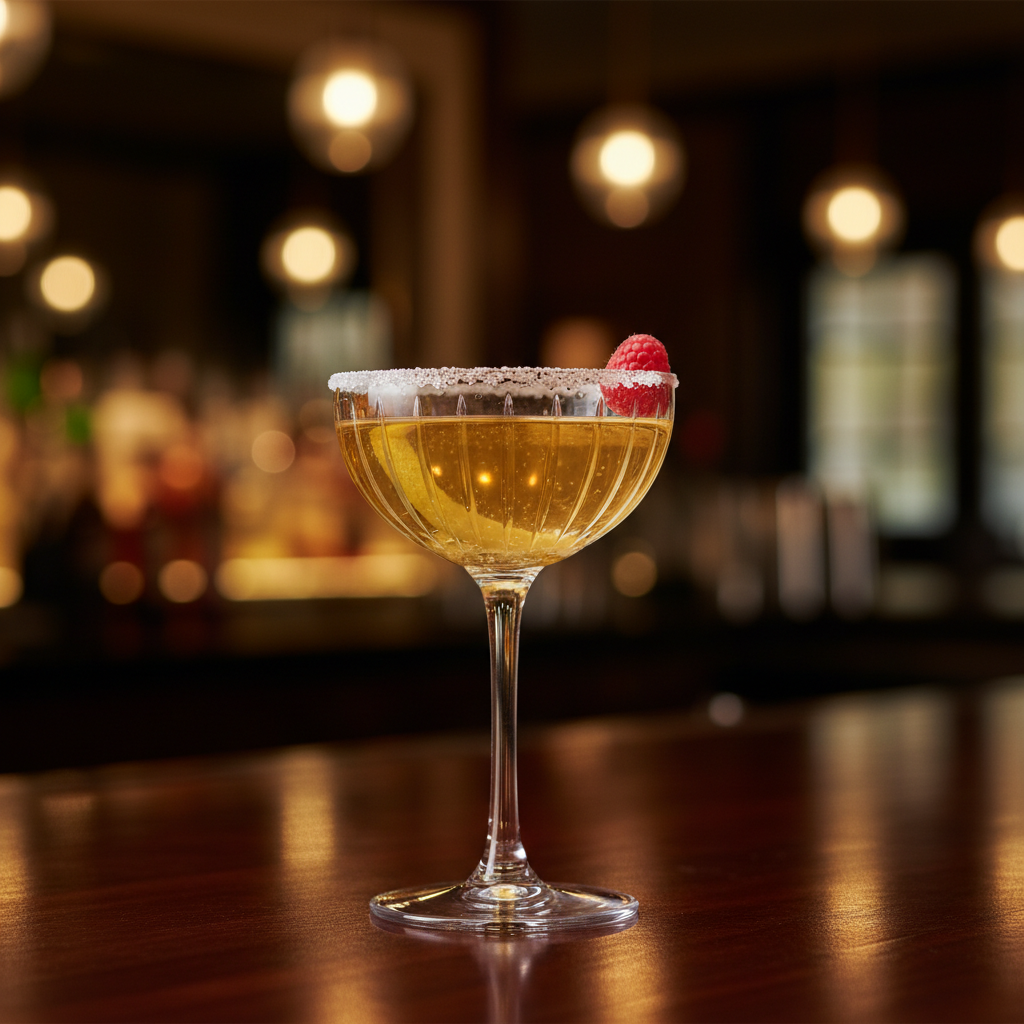
A timeless sparkling classic that elevates Champagne with Cognac, bitters, and a touch of sweetness.
Ingredients
- 90 ml chilled Champagne
- 10 ml Cognac
- 2 dashes Angostura bitters
- Few drops Grand Marnier (optional)
- 1 sugar cube
Garnish: Orange zest and maraschino cherry
The Champagne Cocktail is one of the great sparkling classics: elegant, simple, and endlessly celebratory. Built directly in the glass, it marries the dryness and finesse of Champagne with the warmth of Cognac, the aromatic complexity of Angostura bitters, and the gentle sweetness of a sugar cube.
This cocktail is an ideal aperitif. The bitters-soaked sugar cube slowly dissolves, releasing flavor and creating a delicate stream of bubbles that keeps the drink visually alive from the first sip to the last. It is both approachable for beginners and refined enough for seasoned cocktail lovers.
Recognized as an official IBA cocktail, the Champagne Cocktail is a benchmark drink for understanding how small, precise additions can transform a base wine into a sophisticated mixed drink.
Instructions
Official Recipe:
- Place the sugar cube into a chilled Flute Glass.
- Soak the sugar cube with 2 dashes of Angostura bitters, letting it absorb fully.
- Pour the 10 ml Cognac gently over the sugar cube.
- Add a few drops of Grand Marnier on top if using, to add an extra orange note.
- Top slowly with 90 ml chilled Champagne, pouring down the side of the glass to preserve carbonation.
- Garnish with a twist of orange zest expressed over the surface and a maraschino cherry dropped into the glass.
Note: Do not stir the cocktail; the sugar cube will gradually dissolve, evolving the sweetness and texture as you drink.
Tips
- Use well-chilled Champagne: The colder the Champagne, the better the effervescence and balance. Aim for 6–8°C before you pour.
- Choose a dry style: A Brut Champagne or quality dry sparkling wine works best to avoid an overly sweet drink once the sugar dissolves.
- Mind the pour: Pour gently down the inside of the glass to keep the bubbles fine and persistent rather than causing excessive foam.
- Bitters precision: Two solid dashes of Angostura are standard. Too little and the drink tastes flat; too much and it becomes harsh.
- Quality Cognac: Use a decent VS or VSOP Cognac; its fruit and oak notes add depth without overpowering the Champagne.
- Express the zest properly: Twist the orange peel over the glass to release oils, then run it lightly along the rim before dropping or discarding.
- Serve immediately: This cocktail should be served and enjoyed right away while the bubbles and aromatics are at their peak.
Classic Variations
- Brut Royal Twist: Replace Grand Marnier with a few drops of orange bitters for a drier, more aromatic profile.
- French 75 Style: Add 10–15 ml fresh lemon juice and 10 ml simple syrup, then shake with Cognac and strain into the flute before topping with Champagne.
- Rum Champagne Cocktail: Substitute the Cognac with a good aged rum for a warmer, more exotic character.
- Herbal Champagne Cocktail: Add a dash of absinthe or an herbal liqueur in place of Grand Marnier for a more complex, anise-forward twist.
Flavor Profile
On the first sip, you get intense effervescence and bright citrus from the expressed orange zest, quickly followed by gentle sweetness from the sugar cube. The mid-palate reveals the structure of the Cognac: notes of dried fruit, vanilla, and oak, supported by the herbal, spicy character of Angostura bitters. On the finish, the dryness of the Champagne comes back, cleansing the palate, while a subtle bitter-and-orange echo lingers, inviting another sip.
History
The Champagne Cocktail is one of the oldest recorded mixed drinks, appearing in print as early as the mid-19th century. It became especially popular in the United States and Europe during the late 1800s, at a time when Champagne itself was a powerful symbol of luxury and celebration.
Over the decades, the drink found its place in refined hotel bars, grand restaurants, and festive occasions. Its simplicity and elegance made it a favorite among those who wanted a cocktail without masking the character of the sparkling wine.
Today, the Champagne Cocktail is included on the official IBA (International Bartenders Association) list, cementing its status as a true classic. Its enduring appeal lies in the way it enhances Champagne rather than hiding it, offering a perfect balance of sweetness, bitterness, and effervescence in a single, sparkling glass.
Cheers!